The 4Cs In Education: Deep Learning vs Surface Learning
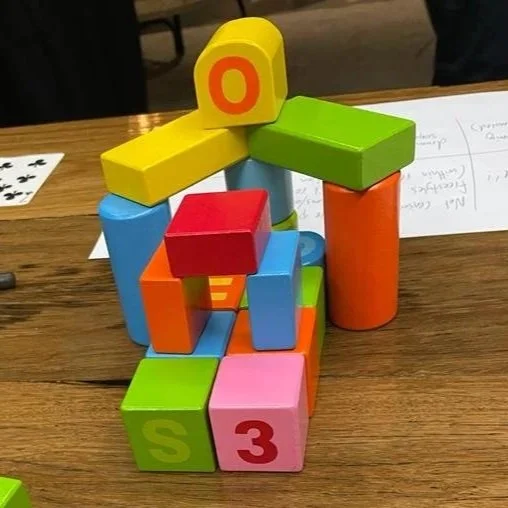
A central idea underpinning 4C learning is the distinction between surface learning and deep learning.
Surface learning focuses on:
Memorisation
Short-term retention
Test performance
Deep learning, by contrast, involves:
Understanding concepts
Applying knowledge in new contexts
Reflecting on learning processes
The 4Cs enable this deeper form of learning by engaging students actively and meaningfully. When students collaborate on authentic problems, communicate their thinking, reflect critically, and creatively find solutions, learning becomes transformative rather than transactional.
Challenges in Implementing the 4Cs in Schools
Despite its promise, implementing the 4Cs framework is not without challenges.
1. System Constraints
Standardised testing, rigid curricula, and accountability pressures can make it difficult for schools to prioritise 4C learning. The intense pressure on teachers and school leaders to return to purely explicit teaching methods leaves many teachers frustrated as they see some students struggling to learn within those processes, but feel unable to move outside them.
2. Teacher Capacity
Teachers need support and professional learning to:
Design new types of learning experiences
Assess complex capabilities
Shift their role in the classroom
This is why Anderson and Jefferson’s work often involves long-term partnerships with schools, helping educators build confidence and capability over time (4CTL).
3. Cultural Change
Moving into the transformation the 4Cs offer, a 4C school requires a shift in mindset:
From control → to trust
From compliance → to agency
From teaching → to learning
This kind of change takes time, strong leadership, and sustained commitment.
Read about how St Stanislaus College embedded 4C learning in a student activity.